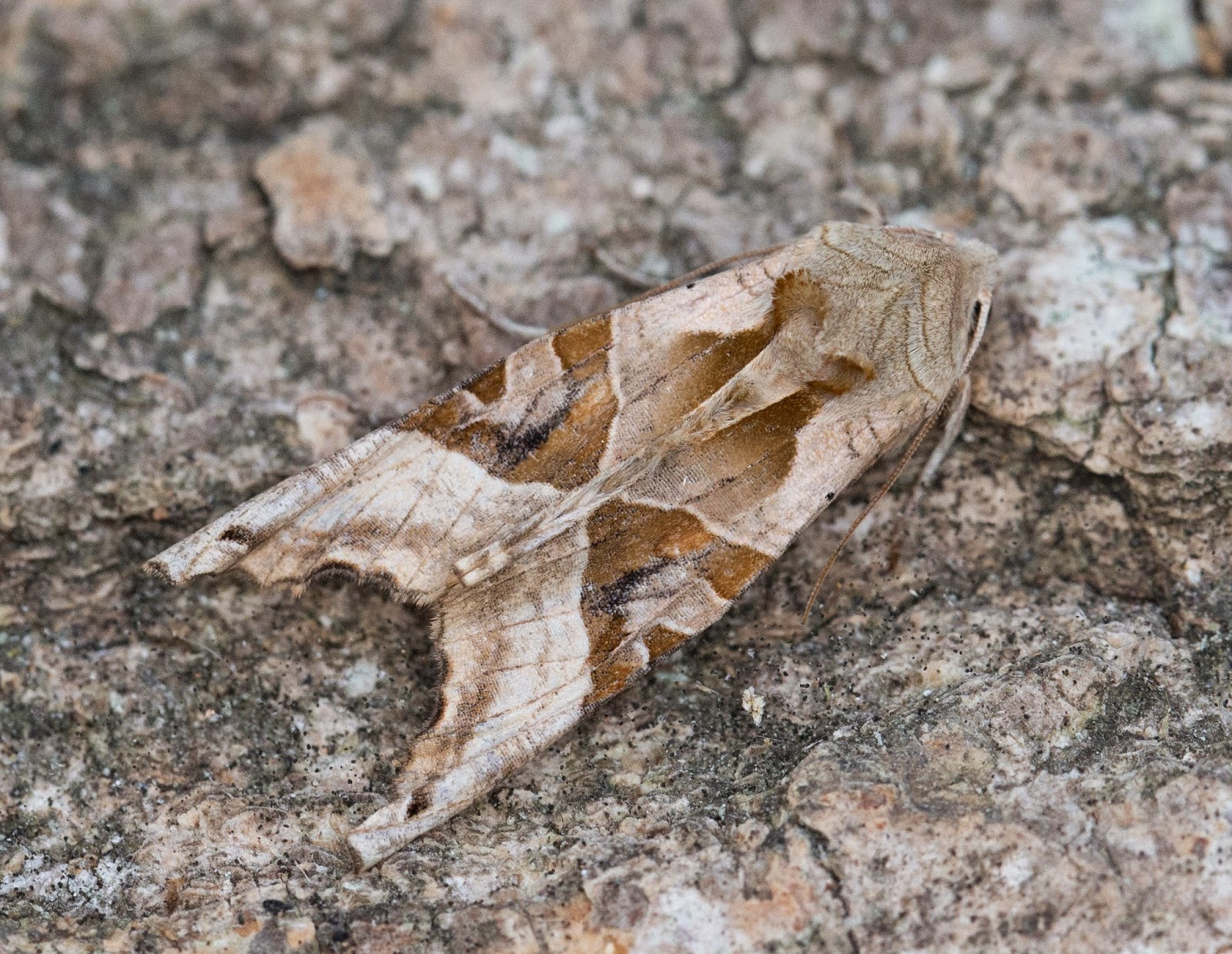
Its been a bit of a 'bits and pieces' time for me recently with no real time for birding and the grey and wet conditions generally coinciding with any time I had off to go birding. I did run the moth trap in the garden on the nights of 27th, 28th and 29th October. Numbers of moths were not high but i did catch a couple of stunning Merveille du Jour, two White-point, two Udea ferigalis and a stunning fresh Slender Burnished-brass amongst the more usual species for the time of year.
Merveille du Jour
Slender Burnished-brass
White-point
Angle-shades
Blair's Shoulder-knot
Green Brindled Crescent
Red-green Carpet
On 2nd November I paid a rare visit to Blashford Lakes. This is a site that is only 20 minutes from home yet one that, for some reason, doesn't massively inspire me. Granted, it gets some good birds but I always feel a bit hemmed in by the 09:00 opening time, the birding from the hides and the often rather distant views of birds. I partly visited today as a Franklin's Gull has been coming into roost on Ibsley Water late in the evening since 28th October having been first seen during the day on the 19th and I had the intention of sussing out the hide before a late afternoon visit. The bird has been showing from the Tern Hide and the Lapwing Hide overlooking Ibsley Water. The latter giving closer views but the former better light. As has been the trend on my last few birding outings the weather was pretty grey and miserable. I arrived at Blashford Lake at 07:30 in torrential rain - bugger, I had forgotten that I couldn't get anywhere until 09:00 so I drove to Ocknell Plain in the New Forest and birded Slufter's Enclosure seeing little but for 10 Fieldfare, 50 Redwing and an impressive flock of around 250 Chaffinch.
Back to Blashford and I wandered up to the Lapwing Hide where, unsurprisingly, everything seemed miles away. Plenty of Pochard, Tufted Duck, Great Crested Grebe, Little Grebe, Teal and Wigeon. Four non-breeding plumage Ruddy Duck were the first I had seen for a while. I wandered back and the Great White Egret showed distantly on Mockbeggar Lake disappearing before I could set my camera up and a few Chiffchaff called from the willows. I entered Goosander Hide and there, at last were some close birds, Cormorants! Two Goosander, a Black-necked Grebe and six Egyptian Goose kept their distance.
Great-crested Grebe from Lapwing Hide
Black-necked Grebe from Goosander Hide
Little Grebe from Lapwing Hide
Cormorant from Goosander Hide
Cormorant from Goosander Hide
Pochard from Goosander Hide
Non-breeding male Ruddy Duck from Lapwing Hide
On the 3rd November I arrived at the Tern hide at 15:00 having thoughts of being the first or second there for the Franklin's Gull but nope - packed hide and standing space only. I shuffled around and took my position at the back pointing my scope through the heads to focus on the area of water that I had been told the bird usually alights on. I scanned around distant Great Northern Diver, distant Gulls, a few Lesser Black-back and at least two adult Yellow-legged Gull, a distant Black-necked Grebe and an assortment of distant wildfowl. I stood, checked my watch - only 1.5 hours to go before any chance of the gull arriving. My standing height meant all that I could see was the wood of the hide - great! So I adopted a hunched position and scanned the water for almost the full duration without lifting my head. Gulls started to pour in by 16:00 and there were many Lesser Black-backs and Black-headed Gull but curiously few Common or Herring Gull. And then the shout went out at 16:40 - there it is to the right of the yellow and red buoy, behind the Canada Geese midway to the willow bush, I scanned and searched and there it was, a black head amongst the mainly white headed gulls. Bloody hell, it was distant and in fading light. Still, I studied the salient features - dark mantle, white clown eye ring, prominent white tertial crescent - nice. I was amazed that people had spent 2 hours in the hide and got up and left after watching the bird for 10 minutes! I stayed put until the light faded and the hide was locked.

A selection of distant gulls - mainly Lesser Black-backs and Black-headed Gull
Franklin's Gull - Just in front of the central Lesser Black-back.